This guide explains the essentials in plain language, backed by research: what cannabis is and where it came from, how the industry got here, why people use it, the forms it takes, what to expect, and how to use it responsibly. Every statistic below is cited in full at the bottom of the page.
A short history of cannabis
Cannabis is one of humanity's oldest crops. A 2021 study that resequenced the plant's whole genome concluded it was first domesticated around 12,000 years ago in East Asia — meaning people were deliberately growing it near the very dawn of agriculture. [1]
For most of that history it was grown for practical reasons. Its strong stem fibres — hemp — were spun into rope, cloth, sails and paper, and its seeds were used for food and oil. It also has deep roots in traditional medicine and ritual across Asia, the Middle East and Africa.
The earliest clear chemical evidence of people smoking cannabis for its mind-altering effect comes from wooden braziers in a roughly 2,500-year-old cemetery high on the Pamir Plateau, in what is now western China. The burnt residue showed unusually high levels of THC — a sign these plants were sought out, and possibly cultivated, for their potency. [2]
From there cannabis spread along trade routes around the world, and growers in each region developed local varieties suited to their climate — the ancestors of the wide range of strains available today.
How the industry evolved — and where it's at now
For most of the twentieth century, cannabis was prohibited across much of the world. That pushed it into an unregulated underground market with no quality control, no labelling and no age checks.
Canada started moving away from blanket prohibition in 2001, when it created a legal framework for patients to access cannabis for medical purposes. [3]
On 17 October 2018, the federal Cannabis Act came into force and Canada became the first G7 nation to legalize and regulate non-medical cannabis nationwide. A year later, in October 2019, the rules expanded to allow edibles, extracts and topicals — the products often called 'Cannabis 2.0'. [3]
The scale is significant. Canadians bought more than $5 billion worth of cannabis in 2023, according to Statistics Canada retail data. [5] Today, roughly 1 in 4 Canadians aged 16 and older (26%) report using cannabis for non-medical reasons in a given year, and about 1 in 10 (10%) use it for medical reasons. [4]
Why people use it
People use cannabis for all sorts of reasons — to relax and enjoy themselves, to be social, and increasingly to manage specific health symptoms. Canada's national survey gives a clear picture of what people are actually treating with it.
TOP SYMPTOMS CANADIANS TREAT WITH CANNABIS
Sleep problems / insomnia
45%
Chronic pain
33%
Anxiety
31%
Arthritis / joint pain
24%
Depression
22%
Headaches / migraines
17%
Source: Health Canada, Canadian Cannabis Survey 2023 — share of people who used cannabis for medical purposes in the past 12 months and reported treating each symptom. [4]
Beyond medical use, the reasons Canadians most often give for using cannabis are simply to relax, to enjoy it, and to be social. And the line between 'medical' and 'personal' use is blurry: most people who use cannabis for medical reasons do so without a formal medical document — only 18% had one in 2023. [4]
What formats it comes in
Cannabis is sold in several forms. They differ in how you take them and how quickly you feel them — a big factor when you're starting out. Inhaled formats come on fast and fade sooner; edibles take longer to kick in but last much longer, so they're the easiest to overdo.
| FORMAT | WHAT IT IS | HOW IT'S TAKEN | TYPICAL ONSET |
|---|---|---|---|
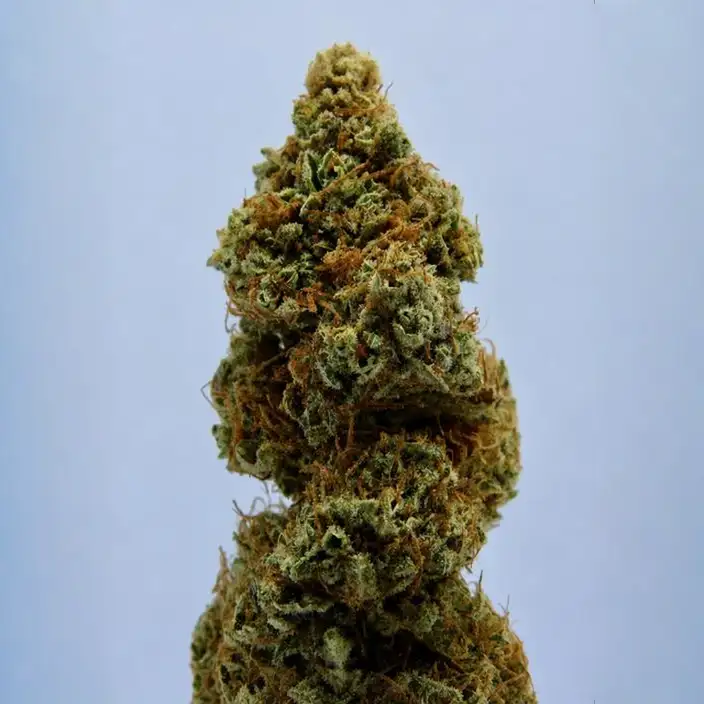
| Flower | Dried buds you grind, then smoke or vaporize | Inhaled | Felt within minutes |
| Pre-rolls | Ready-made joints — nothing to prepare | Inhaled | Felt within minutes |
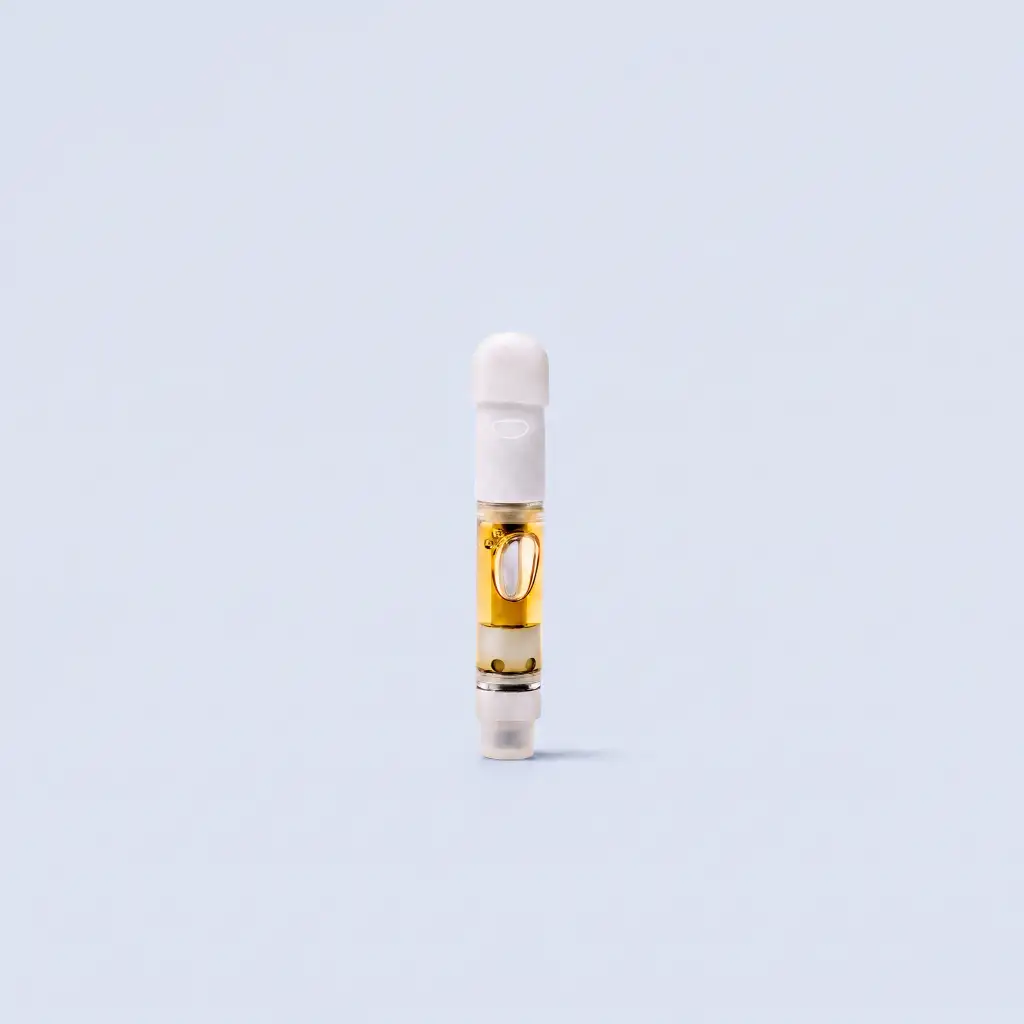
| Vapes | Oil cartridges or disposable pens | Inhaled | Felt within minutes |
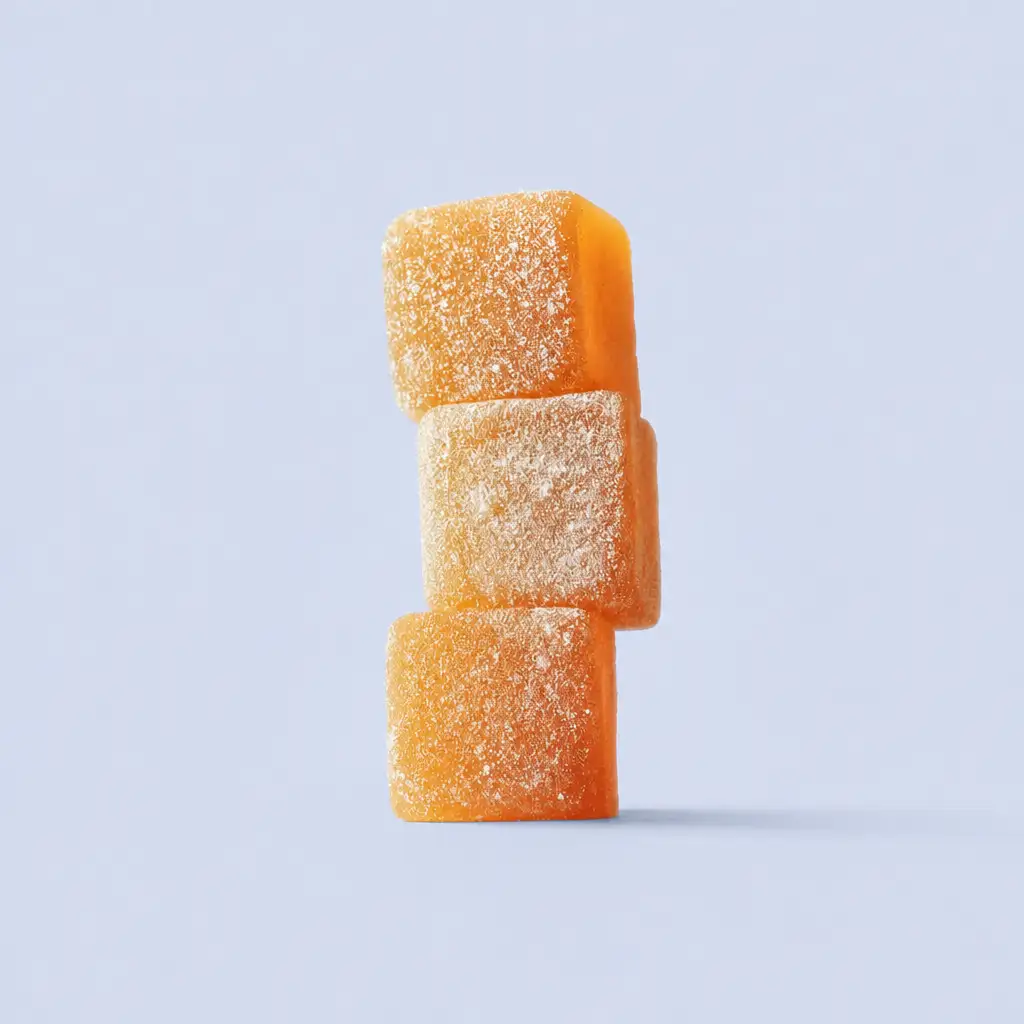
| Edibles | Gummies, chocolates and drinks | Eaten & digested | 30 min–2 hrs, longer-lasting |
| Oils & capsules | Measured drops or softgels | Under the tongue or swallowed | 15 min–2 hrs |
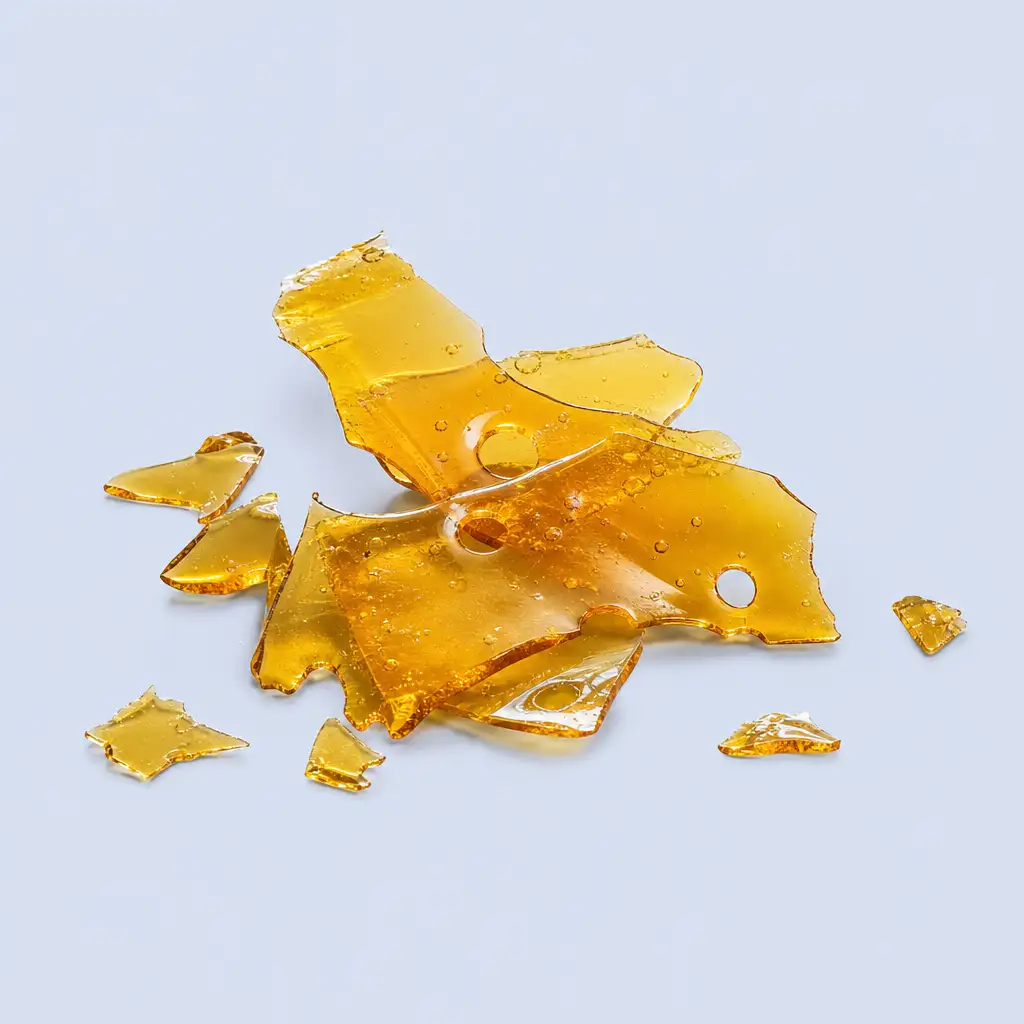
| Concentrates | Potent extracts for experienced users | Inhaled / dabbed | Felt within minutes |
| Topicals | Creams and balms for the skin | Applied to the skin | Localized, non-intoxicating |
Flower
Dried buds you grind, then smoke or vaporize
Pre-rolls
Ready-made joints — nothing to prepare
Vapes
Oil cartridges or disposable pens
Edibles
Gummies, chocolates and drinks
Oils & capsules
Measured drops or softgels
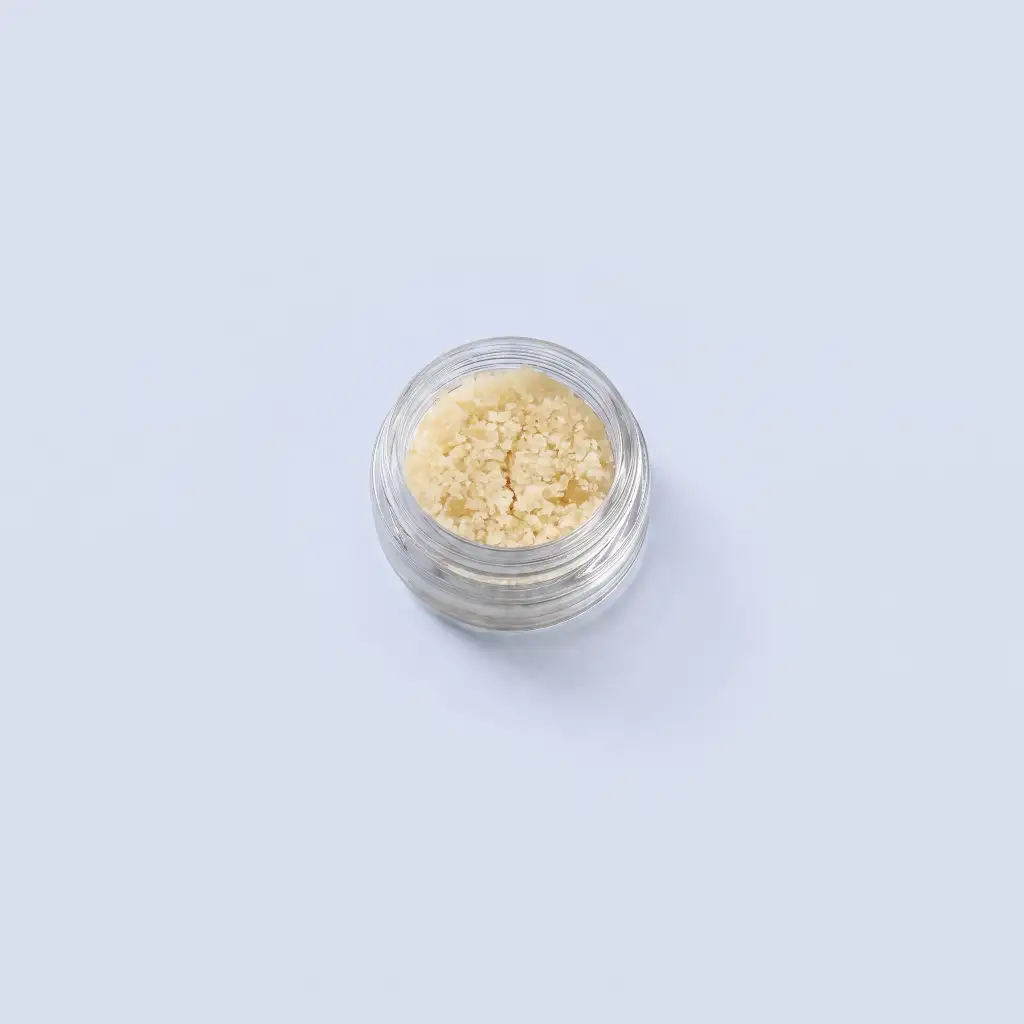
Concentrates
Potent extracts for experienced users
Topicals
Creams and balms for the skin
Flavour profiles & terpenes
Cannabis gets its smell and taste from terpenes — the same aromatic compounds that give fruit, herbs and pine their scent. Terpenes are why one strain smells like citrus and another like fuel or forest floor. You'll see these profiles called out on our product labels:
EARTHYPINECITRUSSWEET & FRUITYDIESELFLORALSPICY & HERBALBERRY
Flavour is largely personal preference — and many people find certain aromas naturally pair with the mood they're after. If you like a smell, that's a perfectly good place to start.
What effects to expect
Two things shape how a product feels: its cannabinoids (mainly THC and CBD) and its strain type. Once you understand these, product labels start to make a lot more sense.
THC vs CBD
THC is the compound that makes you feel 'high'. CBD doesn't get you high — it's often chosen for a calmer, clearer feel, and it can soften THC's edge. Many products blend the two, and the THC:CBD ratio on the label tells you what to expect.
Strain type
INDICA
Typically relaxing and body-heavy. Often an evening choice.
SATIVA
Typically uplifting and heady. Often a daytime choice.
HYBRID
A blend of both — balanced effects, tuned by the grower.
CBD
Minimal to no high. Chosen for calm and relief.
The effect tags
Every product carries one or more effect tags — the experience it leans toward — so you can choose by how you want to feel. We use eight:
One caveat worth repeating: everyone's different, and the same product can feel different from one person to the next. Treat effect tags as a starting point, not a guarantee.
Trying it for the first time
If it's your first time, keep it simple. A gentle plan beats a strong one every time:
- Pick a gentle format — an edible, an oil, or a CBD product. They're easy to measure and forgiving.
- Take a small dose, then wait. You can always take more — you can't take less.
- Choose a calm, comfortable place and give yourself time. Setting matters.
Want to go deeper?
Two short guides pick up where this leaves off: Formats 101 compares every way to consume it, and Dosing 101 gives you exact starting amounts for each format.
Using it responsibly
Cannabis is for adults only. The habits below are drawn from Canada's public-health guidance and the peer-reviewed Lower-Risk Cannabis Use Guidelines — the clearest evidence we have on keeping risks low: [6] [8]
- Start low and go slow — especially with edibles, which can take up to two hours to kick in.
- Never drive or operate machinery while impaired.
- Go easy on mixing — combining cannabis with alcohol or other substances can hit harder than expected, especially while you're still learning your limits.
- Store it safely and out of reach of children and pets.
- Stay hydrated, keep snacks handy, and give it time — effects always pass.
- It's not recommended during pregnancy or breastfeeding, or if you have certain health conditions. Check with a doctor if you're unsure.
If you've taken too much
It happens — especially with edibles, which can take 30 minutes to 2 hours to take effect, so it's easy to have more before the first dose lands. Taking too much (sometimes called cannabis poisoning) isn't usually dangerous and it will pass, but it can feel very unpleasant: a racing heart, dizziness, anxiety, nausea or vomiting, and confusion. [7]
What to do
- Move somewhere calm and quiet, and sit or lie down.
- Sip water, and remind yourself the feeling is temporary — it will fade.
- Don't take any more, and don't drive or operate anything.
Get help if it's serious
Call your local poison centre, or call 9-1-1 if there's trouble breathing, chest pain, a seizure, a severe or psychotic reaction, or symptoms that won't ease. Tell the operator cannabis was used. [7]
Why choose Pot Cargo
We built Pot Cargo to make cannabis easy — whether it's your first order or your hundredth.
Huge selection
80+ brands across flower, edibles, vapes, oils, concentrates and more.
Delivered across Canada
Packed discreetly and shipped straight to your door.
Guidance built in
Plain-English guides, clear Level tags, and picks for every experience level.
Know what you're getting
Products with clear, honest labelling — no guesswork.
Sources & citations
Show or hide the sources
Every statistic and historical claim on this page is drawn from the primary sources below — government data, peer-reviewed research and official public-health guidance.
[1] Ren, G., et al. (2021). Large-scale whole-genome resequencing unravels the domestication history of Cannabis sativa. Science Advances 7(29): eabg2286. science.org/doi/10.1126/sciadv.abg2286
[2] Ren, M., et al. (2019). The origins of cannabis smoking: chemical residue evidence from the first millennium BCE in the Pamirs. Science Advances 5(6): eaaw1391. science.org/doi/10.1126/sciadv.aaw1391
[3] Government of Canada. Cannabis Act (S.C. 2018, c. 16); in force 17 October 2018. laws-lois.justice.gc.ca/eng/acts/c-24.5
[4] Health Canada (2023). Canadian Cannabis Survey 2023: Summary. canada.ca/en/health-canada/services/drugs-medication/cannabis/research-data
[5] Statistics Canada. Retail trade sales — cannabis stores, 2023. www150.statcan.gc.ca
[6] Fischer, B., et al. (2017). Lower-Risk Cannabis Use Guidelines: A Comprehensive Update of Evidence and Recommendations. American Journal of Public Health 107(8): e1–e12. ajph.aphapublications.org
[7] Health Canada. Cannabis health effects & consuming responsibly. canada.ca/en/services/health/campaigns/cannabis/health-effects.html
[8] Health Canada. Canada's Lower-Risk Cannabis Use Guidelines. canada.ca/en/health-canada/services/drugs-medication/cannabis/resources/lower-risk-cannabis-use-guidelines.html